Release Date: June 12, 2026
Recording Details
Dates: August 3-5, 2025
Location: Cristo Rey Church in Santa Fe
Session Producer: Blanton Alspaugh, Soundmirror
Session Engineer: Mark Donahue, Soundmirror
Editing, Mixing & Mastering: Mark Donahue, Soundmirror
Label: Navona Records
New American Choral Music Written For Your Santa Fe Desert Chorale

Shawn E. Okpebholo

Kile Smith

Jocelyn Hagen

Reena Esmail

Shawn Kirchner
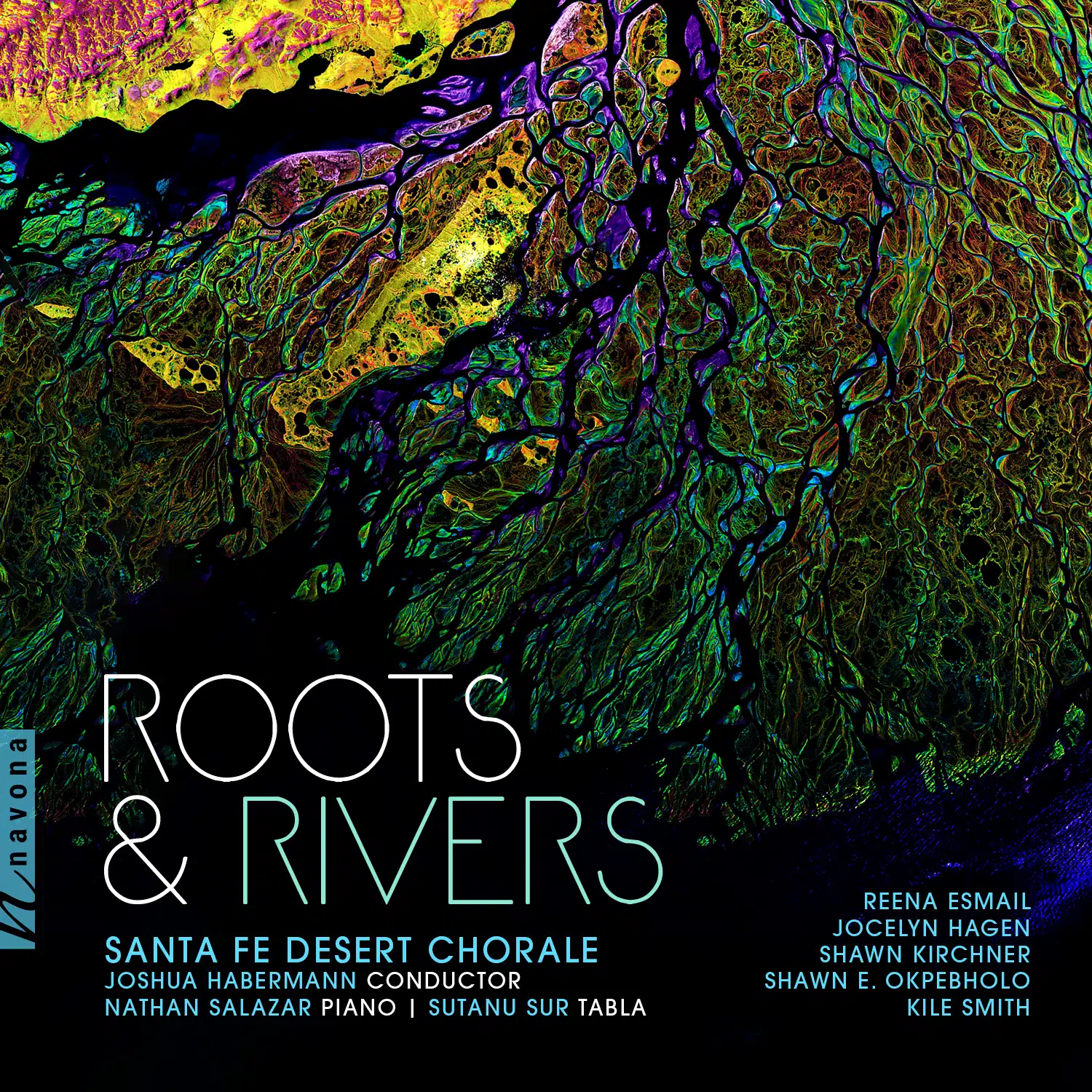
In their new album ROOTS & RIVERS, Santa Fe Desert Chorale expands the American choral canon with a curated selection of commissioned works. The album features Reena Esmail’s The Tipping Point, which infuses Indian classical music into Western forms to depict light overcoming darkness, alongside Jocelyn Hagen’s Caminante, a bilingual piece reflecting Santa Fe’s multicultural identity. The program also explores the immigrant experience of poet Claude McKay in Kile Smith’s jazz-influenced Northland and reimagines folk songs, hymns, and spirituals in Shawn E. Okpebholo’s major six-movement suite, The American Road. Concluding with a specialized arrangement of Shawn Kirchner’s Sweet Rivers, the release stands as an offering of gratitude for the outpouring of new American choral music.
“This is a beautifully explorative album celebrating the diversity of today’s American choral writing, delivered with exceptional warmth by the Santa Fe Desert Chorale under Joshua Habermann.”

“The Santa Fe Desert Chorale’s performance stands out for its homogeneity of delivery, precision of tuning, and constant attention to dynamic nuances.”

“All of this music is realized with utter conviction that beautiful and complicated music sounds simple to the listener.”

Roots & Rivers received a Silver medal for outstanding achievements in the Global Music Awards Classical category!
Recording Artists

Chelsea Helm
Soprano
Elijah McCormack
Soprano
Sarah Moyer
Soprano

Savannah Porter
Soprano

Kathlene Ritch
Soprano
Addy Sterrett
Soprano

Sarah Brauer
Alto

Kerry Ginger
Alto

Dianna Grabowski
Alto

Kate Maroney
Alto

Sarah Nickerson
Alto

Pamela Terry
Alto

George Case
Tenor

Brad Diamond
Tenor

Michael Jones
Tenor

Erik Gustafson
Tenor
Bradley Naylor
Tenor
Steven Soph
Tenor

James K. Bass
Bass

John Buffett
Bass
Harrison Hintzsche
Bass
Enrico Lagasca
Bass

Edmund Milly
Bass
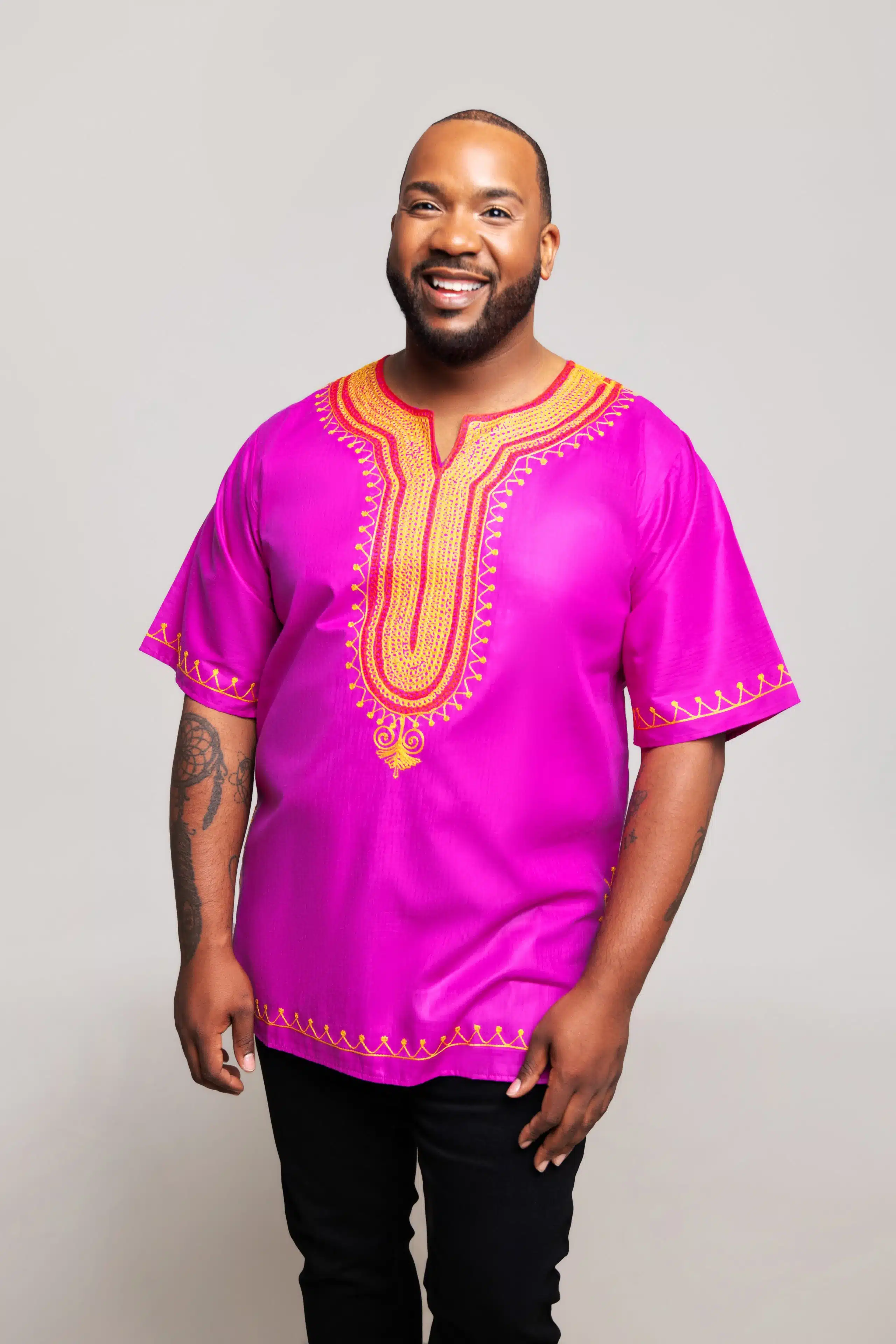
Marques Jerrell Ruff
Bass

Nathan Salazar
Piano

Sutanu Sur
Tabla
Thank You to Our Recording Sponsors
Executive Producers ($50,000+)
Barry and Margaret Lyerly
$10,000-$24,999
Richard and Chris Frenk
The Hutson-Wiley and Echevarria Foundation, Inc.
$5,000-$9,999
Jeffrey Fort and Diane Locandro
John Gray and Ray Landy
Felicia and Dan Morrow
Katherine and William Landschulz
Carmen Paradis and Brian McGrath
Patricia Stanley
$2,500-$4,999
Diane and Bill Graves
Miranda and David Lind, Lind Family Foundation
Lee and David Takagi
$1,000-$2,499
George Case and Nathan Salazar
Roxanne Howe-Murphy and James Murphy
Sean Johnson and Emma Marzen
Fraser and Alice McAlpine
Mary and Phil Delk
Sara J McKenzie
Carlos Rovelo and Dr. Sherry Dean
Jonathan Stewart and Enrico Lagasca
Up to $999
Judith Ford
Ted Karpf
Marie Moore
Skip and Molly Naylor